Advanced aesthetics & skin treatments in Brentwood, Essex

The term “chemical peel” covers a wide range of professional skin treatments. Some provide gentle surface exfoliation, while others are selected to address concerns such as congestion, uneven tone, superficial texture changes and signs of ageing. Acne or unexplained pigmentation may also need medical assessment.
At Derma Aesthetics Clinic we offer several professional options, including AlumierMD, BioRePeel and ZO Skin treatments.
How Does a Chemical Peel Work?
A professional peel uses carefully selected ingredients to exfoliate layers of dead or damaged surface skin and encourage skin renewal.
The type and strength of treatment should be chosen according to your skin rather than simply selecting the strongest peel available. A stronger treatment is not automatically a better treatment.
AlumierMD Peels
AlumierMD offers a range of professional peels, allowing treatment to be adapted for concerns including congestion, blemish-prone skin, uneven tone, dullness and ageing skin.

Because several formulations are available, the treatment can be selected around your skin type and concern rather than using the same peel for everybody.
BioRePeel
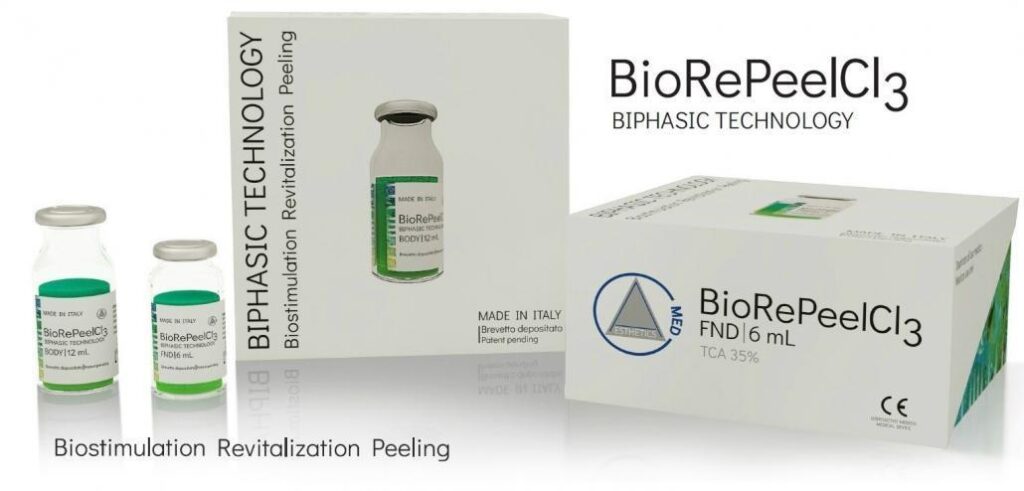
BioRePeel is a professional peel treatment used at the clinic for skin revitalisation and concerns including congestion, pigmentation, acne-related concerns and uneven texture.
ZO Skin Peels & Facials
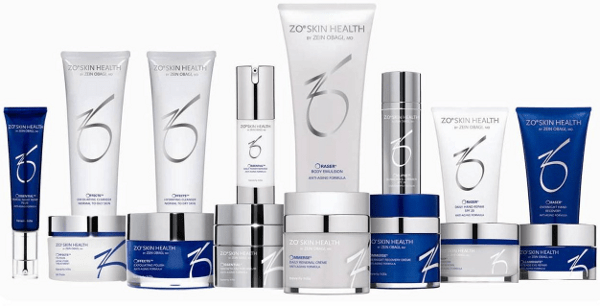
ZO Skin Health provides several professional treatment options for different skin concerns, including dullness, pigmentation, oiliness, congestion and ageing skin.
Which Peel Is Best for Acne?
Acne can vary considerably. Congestion and oily skin may respond differently from inflamed, painful or cystic acne, which may require medical treatment.
Where professional peeling is appropriate, products containing exfoliating ingredients such as salicylic or lactic acid may be discussed as an adjunct for selected concerns. Peels should not replace evidence-based medical acne care: the NHS acne treatment guidance does not routinely recommend them for active acne. See our acne and acne scarring page and acne treatment guide for teenagers and adults for the distinction.
Which Peel Is Best for Pigmentation?
Pigmentation also has different causes. Sun-related pigmentation, post-inflammatory marks and melasma should not automatically be treated in the same way.
We therefore assess pigmentation before recommending a peel, particularly where there is a risk that excessive irritation could make pigmentation worse. Melasma can recur and is not reliably cured by a single procedure. Read our hyperpigmentation and melasma advice before choosing a treatment. A new or changing pigmented lesion needs medical assessment rather than cosmetic peeling.
Will My Skin Peel Afterwards?
Not necessarily. The word “peel” does not mean your skin must visibly shed for the treatment to have an effect. The amount of flaking or downtime varies according to the product, formulation and individual response.
Choosing the Right Depth and Treatment Plan
Superficial, medium-depth and deep peels have different effects, recovery and risks. The brand name alone does not tell you the depth or strength: ingredients, formulation, layers applied and your skin response all matter. Our treatment pages describe the options offered here; a guide to peels is not a recommendation to have the deepest possible treatment.
Before proceeding, explain your medical history, current skincare and medicines, recent sun exposure, sensitivity, tendency to scar and any history of cold sores. Pregnancy, breastfeeding, active infection or a compromised skin barrier may mean treatment is postponed. Follow individual preparation advice, and check with your prescriber before changing prescribed skincare or medicines.
Recovery, Aftercare and Possible Risks
After a peel you may have stinging, redness, dryness or flaking. Stronger treatments can require more recovery, and people with the same peel may heal differently. Less common complications include infection, prolonged irritation, pigment changes or scarring; risk is affected by skin tone, peel depth, technique and aftercare. The ISAPS patient guide to chemical peels explains the differences between peel depths and possible complications.
Use the cleanser, moisturiser and sun protection advised for your recovery, avoid picking peeling skin, and pause exfoliating products until your practitioner says to restart them. Seek advice promptly if pain is worsening, skin becomes increasingly hot or swollen, or you develop pus or feel unwell.
If your main concern is deeper pitted scarring or marked laxity, a surface peel may not be enough. Our microneedling and acne scars guide and ageing skin treatment guide compare other considerations. Browse our wider treatment range before consultation.
Professional Skin Consultation in Brentwood
If you are unsure whether AlumierMD, BioRePeel or a ZO treatment is best for your skin, we can recommend an appropriate approach following consultation.
Call 01277 213 980 or see our peel and facial prices, or send an enquiry using the form below.
Our Awards