Advanced aesthetics & skin treatments in Brentwood, Essex

Acne is often associated with teenagers, but it can affect people well into adulthood. Some people experience breakouts mainly during puberty, while others develop acne for the first time in their 20s, 30s or beyond.
At Derma Aesthetics Clinic in Brentwood, Essex, we offer professional skincare and selected skin treatments for acne-prone skin, post-acne marks and established acne scarring.
The most appropriate approach depends on the type of acne present, how inflamed the skin is, your skin sensitivity and whether the main concern is active breakouts, pigmentation left behind after acne or true acne scarring.
What Causes Acne?
Acne develops when hair follicles become blocked with oil and dead skin cells. Bacteria and inflammation can then contribute to the formation of spots.
Several factors can influence acne, including hormones, excess oil production, genetics, stress, certain skincare or cosmetic products and some medications.
Acne can appear on the face, but it may also affect areas such as the chest, shoulders and back.
Common Types of Acne
Acne can appear in different forms, including:
- Blackheads – open blocked pores
- Whiteheads – closed blocked pores
- Papules – small red or tender bumps
- Pustules – inflamed spots containing pus
- Nodules – deeper, painful lumps beneath the skin
- Cysts – deeper inflammatory lesions that carry a higher risk of scarring
The type of acne matters because mild congestion requires a very different approach from painful nodular or cystic acne.
Teenage Acne
Teenage acne is extremely common because hormonal changes during puberty can increase the production of sebum, or skin oil.
This can lead to blocked pores and inflammatory breakouts, particularly across the forehead, nose, cheeks and chin.
Teenagers can sometimes make acne worse unintentionally by:
- Over-cleansing the skin
- Using harsh scrubs
- Frequently changing skincare products
- Using too many active ingredients at once
- Picking or squeezing spots
- Trying strong treatments recommended through social media
For younger clients, we generally favour a simple and manageable routine. Consistency is often more useful than a complicated collection of products.
Adult Acne
Adult acne may look similar to teenage acne but can have different contributing factors. Hormonal fluctuations, stress, skincare products, cosmetics and individual skin behaviour can all play a role.
Some adults develop acne mainly around the chin and jawline, while others experience congestion or inflammation across larger areas of the face.
Adult acne can also exist alongside other concerns such as dehydration, pigmentation or early signs of ageing, so treatment needs to take the overall condition of the skin into account.
1. AlumierMD Peels for Acne & Congestion
AlumierMD offers several professional peel formulations, allowing treatment to be selected according to the type of acne, congestion and skin sensitivity present.

Detox Clear
AlumierMD Detox Clear is specifically aimed at acne and congestion. It contains exfoliating ingredients including salicylic and lactic acid, which can help remove excess oil and dead skin cells from the surface and within congested pores.
It may be considered where concerns include:
- Blocked pores
- Blackheads and whiteheads
- Oily skin
- Congestion
- Mild inflammatory breakouts
Radiant 20/10
Radiant 20/10 combines lactic and salicylic acids and may be selected where acne exists alongside concerns such as oily skin, enlarged pores, uneven tone or post-acne pigmentation.
The peel helps exfoliate surface skin and support cell turnover, but treatment strength and frequency should always be matched to the individual skin.
Why Not Just Use the Strongest Peel?
More aggressive treatment is not automatically better for acne. Excessive irritation can damage the skin barrier and may worsen redness, sensitivity or post-inflammatory pigmentation.
This is particularly important for darker skin tones and anyone already prone to pigmentation after spots heal.
2. BioRePeel for Acne-Prone Skin
BioRePeel is a professional peel-style treatment used for skin revitalisation and concerns including acne, recent acne marks, pigmentation and uneven texture.
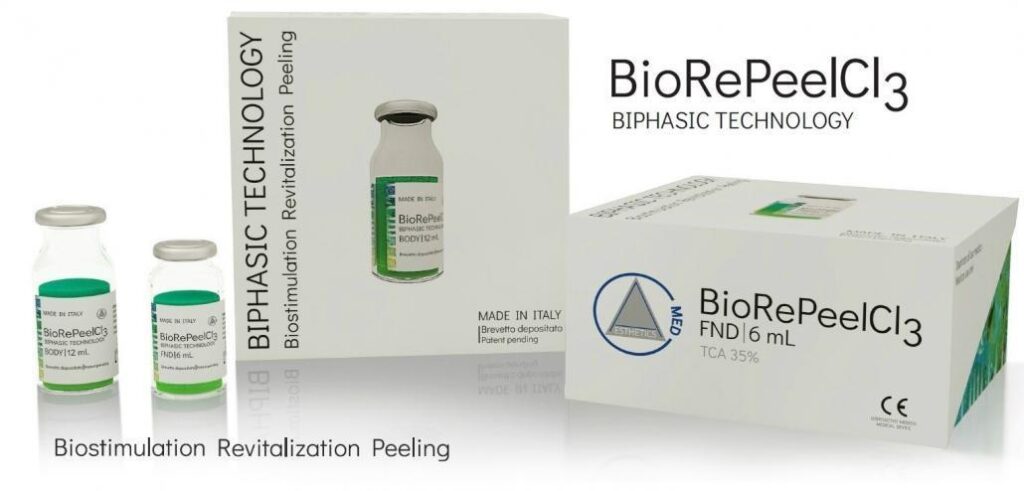
It provides exfoliation while also supporting overall skin renewal and may be considered where the aim is to improve:
- Congested skin
- Acne-prone skin
- Post-acne marks
- Uneven skin tone
- Rough texture
- Dull-looking skin
BioRePeel can be useful where acne is only one part of the concern and the client also wants to improve the general appearance and texture of the skin.
As with any peel treatment, suitability depends on how inflamed or sensitive the skin is at the time of consultation.
3. ZO Skin Health for Acne & Oil Control
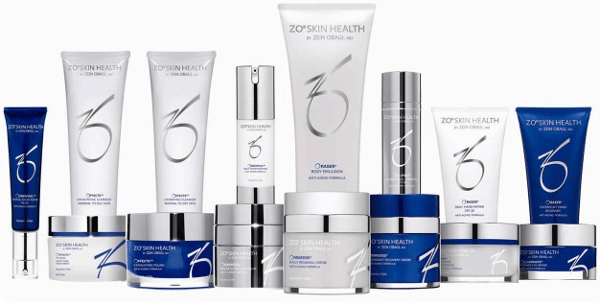
ZO Skin Health provides both professional clinic treatments and home skincare programmes that can be tailored to acne-prone skin.
ZO Acne & Oil Control Treatment
The ZO Acne and Oil Control treatment is designed for concerns including excess oil production, enlarged pores, congestion and inflammation.
The treatment includes cleansing, exfoliation and ingredients such as salicylic acid and alpha hydroxy acids to help address excess oil and blocked pores.
It may be particularly useful where acne is associated with:
- Oily skin
- Large or congested pores
- Blackheads
- Mild inflammatory breakouts
- Uneven skin texture
ZO Options for Teenage Skin
Not every teenager requires an aggressive acne peel. ZO also offers gentler treatments that may be more appropriate for younger or more sensitive skin.
The ZO Herbal Enzyme treatment, for example, provides milder exfoliation and can be useful where the priority is improving skin texture and gently removing surface debris without heavily resurfacing the skin.
For teenagers, the overall skincare routine is particularly important. A treatment in the clinic is unlikely to provide lasting benefit if the skin is being repeatedly irritated at home.
4. Microdermabrasion for Mild Congestion
Microdermabrasion is a mechanical exfoliation treatment that removes dead surface skin cells and helps clear excess oil and debris from the outer layers of the skin.
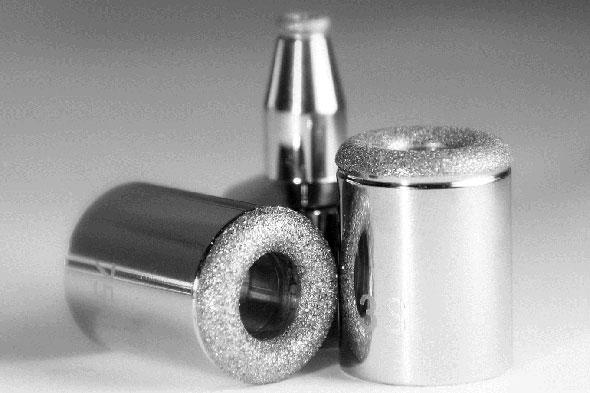
It may be useful where concerns are primarily:
- Mild congestion
- Build-up of dead skin
- Oily surface skin
- Rough texture
- Occasional mild breakouts
Microdermabrasion is not usually the appropriate choice for severely inflamed, painful or cystic acne because physically exfoliating highly inflamed skin may cause unnecessary irritation.
Its role is better suited to selected mild or congested acne-prone skin following assessment.
5. Dermapen Microneedling for Acne Scars
Dermapen microneedling plays a different role from the treatments above.
It is primarily relevant once active inflammatory acne is under control and the main concern has become established acne scarring.
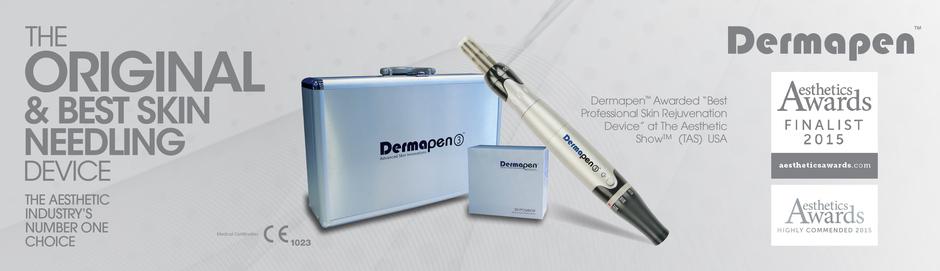
Dermapen creates controlled microchannels within the skin, stimulating a repair response and supporting collagen production and remodelling.
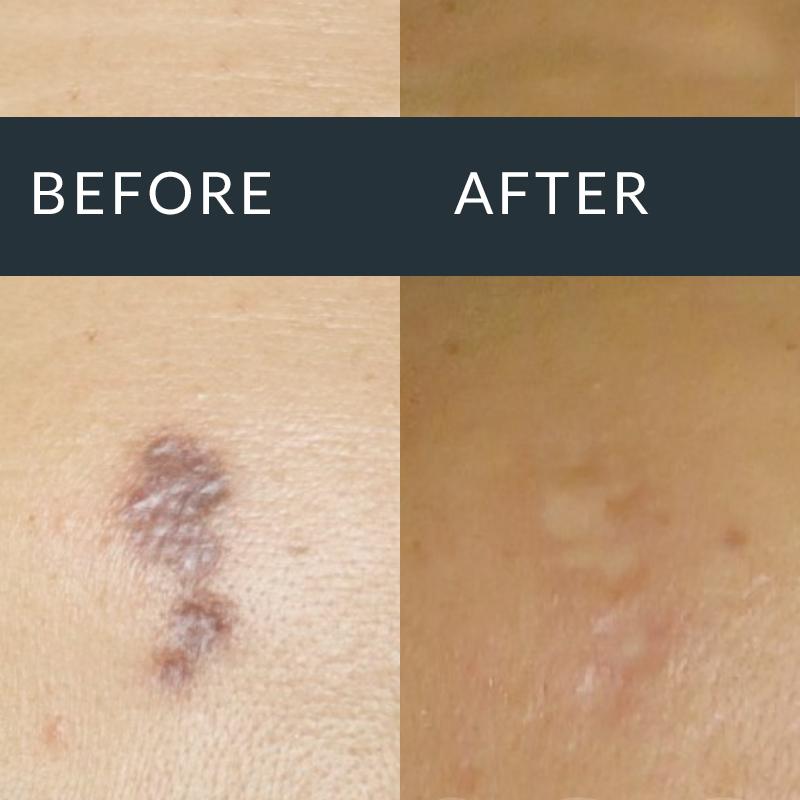
It may be considered for certain types of indented or atrophic acne scarring, including some rolling and boxcar-type scars.
Why Treat Active Acne First?
If new inflamed lesions are continuing to develop, new scars may also continue forming.
For this reason, the priority is usually to control active acne before beginning treatments aimed specifically at remodelling older acne scars.
You can read more in our guide to Microneedling for Acne Scars.
Acne Marks vs Acne Scars
One of the most common areas of confusion is the difference between a mark and a scar.
Post-Acne Marks
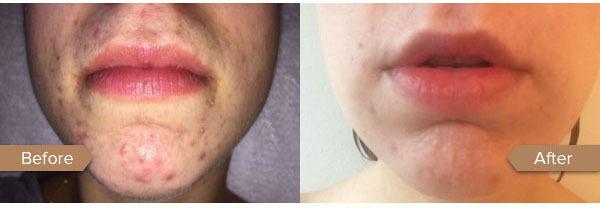
After a spot heals, it may leave behind a flat red, pink, brown or darker mark. These are changes in colour rather than changes in the physical structure of the skin.
Brown or darker marks are often described as post-inflammatory hyperpigmentation.
True Acne Scars
A true acne scar involves a change in the texture or structure of the skin.
Scars may appear as:
- Indented rolling scars
- Boxcar scars
- Deep ice-pick scars
- Raised or hypertrophic scars
- Keloid scars
These different scar types may require different approaches, which is why an assessment is important before treatment.
What Is the Best Acne Treatment?
There is no single treatment that is best for everybody.
A client with mainly blackheads and oily skin may benefit from a very different treatment plan from somebody with inflamed acne, post-acne pigmentation or established scarring.
| Skin concern | Treatments that may be discussed |
|---|---|
| Blackheads & congestion | AlumierMD, ZO Skin Health, selected BioRePeel treatments, Microdermabrasion |
| Oily acne-prone skin | AlumierMD Detox Clear, Radiant 20/10, ZO Acne & Oil Control |
| Mild inflammatory breakouts | Professional skincare, selected peels and BioRePeel where suitable |
| Teenage acne-prone skin | Simple home skincare, gentle professional treatments, AlumierMD or ZO options where appropriate |
| Post-acne pigmentation | AlumierMD, BioRePeel, ZO Skin Health |
| Indented acne scars | Dermapen microneedling once active acne is controlled |
| Painful, nodular or cystic acne | GP or dermatologist assessment |
Why Home Skincare Matters
Professional treatment works best alongside an appropriate daily skincare routine.
For acne-prone skin, this usually means avoiding the temptation to constantly strip or scrub the skin.
A suitable routine may include:
- A gentle cleanser
- Products selected to manage oil and congestion where appropriate
- A non-comedogenic moisturiser
- Daily broad-spectrum SPF
- Targeted active ingredients selected according to skin tolerance
The products recommended for a teenager with mild congestion may be very different from those recommended for an adult with acne, pigmentation and sensitive skin.
Should You Squeeze Spots?
It is best to avoid picking or squeezing acne lesions.
Repeated trauma can increase inflammation and increase the likelihood of post-inflammatory pigmentation or scarring.
Deep spots in particular should not be repeatedly squeezed, as the inflammation is often located below the surface of the skin.
When Should a Teenager or Adult See a GP?
An aesthetics clinic is not a replacement for medical acne treatment.
You should consider speaking to your GP where acne is:
- Painful or severe
- Nodular or cystic
- Rapidly worsening
- Beginning to leave significant scars
- Not improving despite appropriate skincare
- Causing significant emotional distress
A GP or dermatologist can diagnose acne and prescribe treatments that are not available from an aesthetics clinic.
Can Teenagers Have Professional Acne Treatments?
In suitable cases, yes, but treatment should be age-appropriate and based on the condition of the skin rather than simply treating acne aggressively.
For teenagers, our approach is particularly focused on:
- Understanding what products are already being used
- Simplifying overly complicated routines
- Reducing unnecessary irritation
- Supporting good skincare habits
- Selecting gentle treatments where appropriate
- Recognising when medical treatment is the better option
Parents or guardians can also be involved in discussions where appropriate.
Frequently Asked Questions
Does acne eventually go away?
Teenage acne often improves as hormone levels settle, but this varies considerably. Some people continue to experience acne into adulthood, while others develop adult acne despite having relatively clear skin as teenagers.
Are chemical peels good for acne?
Selected professional peels can be useful for oily skin, congestion and some forms of mild acne. The correct formulation is important because inflamed or sensitive skin should not automatically be treated with a strong peel.
Can acne treatments help with scars?
Treatments designed for active acne and treatments designed for established scars are different. Once acne is controlled, treatments such as Dermapen microneedling may be considered for suitable acne scars.
Can acne marks fade naturally?
Some flat red or brown post-acne marks gradually improve over time, although this can be slow. Professional skincare and selected treatments may help improve their appearance.
Will microneedling clear active acne?
Microneedling is generally more relevant to established acne scarring than uncontrolled inflammatory acne. Active acne should usually be managed first.
Should teenagers use strong acne products?
Not necessarily. Using too many strong products can cause irritation, dryness and barrier damage. A simpler routine using appropriately selected products is often a better starting point.
Can diet cause acne?
Acne is multifactorial and cannot usually be attributed to one food or dietary factor alone. Anyone concerned about a possible relationship between diet and persistent acne should discuss it with an appropriate healthcare professional rather than adopting highly restrictive diets without advice.
Which Acne Treatment Is Right for You?
The most useful starting point is identifying exactly what you are trying to treat: active acne, oily or congested skin, post-acne pigmentation or established scarring.
At Derma Aesthetics Clinic we can assess your skin, review the products you are currently using and discuss which professional skincare or treatment options may be suitable.
You can also visit our Acne & Acne Scarring page for more information.
Book an Acne Skin Consultation in Brentwood
If you or your teenager are struggling with acne-prone skin, congestion, post-acne marks or acne scarring, contact Derma Aesthetics Clinic in Brentwood, Essex to discuss the available options.
Call 01277 213 980, browse our full treatment range or view our treatment prices.
Our Awards