Advanced aesthetics & skin treatments in Brentwood, Essex

Noticing a wider parting, a thinner ponytail or more hair in the shower can be unsettling. Hair thinning, increased shedding and hair breakage can look similar, but they do not always have the same cause.
This guide explains common patterns of hair loss, practical scalp care and the questions to ask before choosing a treatment. If your hair loss is unexplained or worrying you, speak to your GP before arranging treatment with a commercial hair clinic, as recommended in the NHS guidance on hair loss.
At Derma Aesthetics Clinic in Brentwood, Essex, we offer EXO-GROW scalp treatments for appropriately assessed clients. Cosmetic scalp care should form part of an informed plan rather than replace investigation of a possible medical cause.
Hair Thinning, Shedding or Breakage?
Thinning describes a reduction in visible hair density. Shedding means more hairs are being released from the scalp. Breakage happens when the hair shaft snaps, which can leave shorter or uneven strands. More than one of these can occur at the same time.
Noticing how the change developed is more useful than choosing a product solely because it promises thicker hair. Consider when it began, whether it affects the whole scalp or particular areas, and whether there are accompanying scalp symptoms.
Common Reasons for Hair Thinning and Shedding
Gradual Pattern Hair Loss
A widening parting or gradual thinning over the top of the scalp may reflect pattern hair loss. Genetics and hormonal factors can contribute, and the pattern differs between individuals. The British Association of Dermatologists’ guide to female pattern hair loss explains why assessment matters before choosing treatment.
Temporary Increased Shedding
Diffuse shedding can follow illness, childbirth, significant stress or marked weight loss. A form called telogen effluvium often starts a few months after the trigger, so the connection may not be immediately obvious. It frequently improves as the hair cycle recovers. Read the British Association of Dermatologists’ information on telogen effluvium for more detail.
Health, Medication and Scalp Conditions
Iron deficiency, certain medicines and other health conditions can contribute to hair loss. A GP may recommend investigations according to your symptoms and history. Do not stop prescribed medication on your own; discuss any concern with the professional who prescribed it.
These possibilities are different from damage caused by repeated pulling or harsh styling. A cosmetic scalp treatment cannot be assumed to address every cause.
When Should You Seek Medical Advice?
Arrange medical assessment before cosmetic scalp treatment if you notice:
- Sudden, rapidly progressing or unexplained hair loss
- New patches of missing hair, including changes affecting the eyebrows or eyelashes
- Scalp pain, burning, persistent redness or significant scaling
- Shiny or scarred-looking areas where hair has been lost
- Hair loss alongside other changes in your health
Patchy hair loss can have several causes, including alopecia areata. Inflammatory conditions such as lichen planopilaris can damage follicles and need medical assessment. These examples illustrate why a diagnosis should come before a cosmetic treatment plan.
Practical Hair and Scalp Care
Use a gentle shampoo and conditioner suited to your hair, avoid vigorous rubbing or tugging, and detangle carefully. Choose loose hairstyles and reduce excessive heat, bleaching or harsh chemical treatments if your hair is fragile. The NHS dermatology hair-care advice provides practical guidance.
A balanced diet is preferable to crash dieting. Discuss suspected nutritional deficiencies with your GP before starting hair supplements. Biotin, iron or zinc supplements should be targeted to an identified deficiency rather than taken automatically for thinning hair, as explained in the American Academy of Dermatology’s treatment guidance.
Appropriate hair and scalp care can help maintain hair condition and appearance, but it does not replace assessment of unexplained hair loss or treatment of an underlying medical cause.
What Treatment Options May Be Considered?
The appropriate approach depends on the diagnosis. Temporary shedding may need time and management of its trigger, while an inflammatory scalp condition may require medical treatment.
For some forms of pattern hair loss, established options include minoxidil and, for suitable men, prescribed finasteride. These treatments do not help everyone, and their benefits generally depend on continued use. Suitability and possible side effects should be discussed with a qualified healthcare professional. The NHS overview of hair-loss treatments explains the main options.
Cosmetic scalp care can be discussed separately once the underlying concern has been appropriately assessed. It should not be presented as equivalent to prescribed treatment or as a solution for every type of alopecia.
Where Does EXO-GROW Fit?
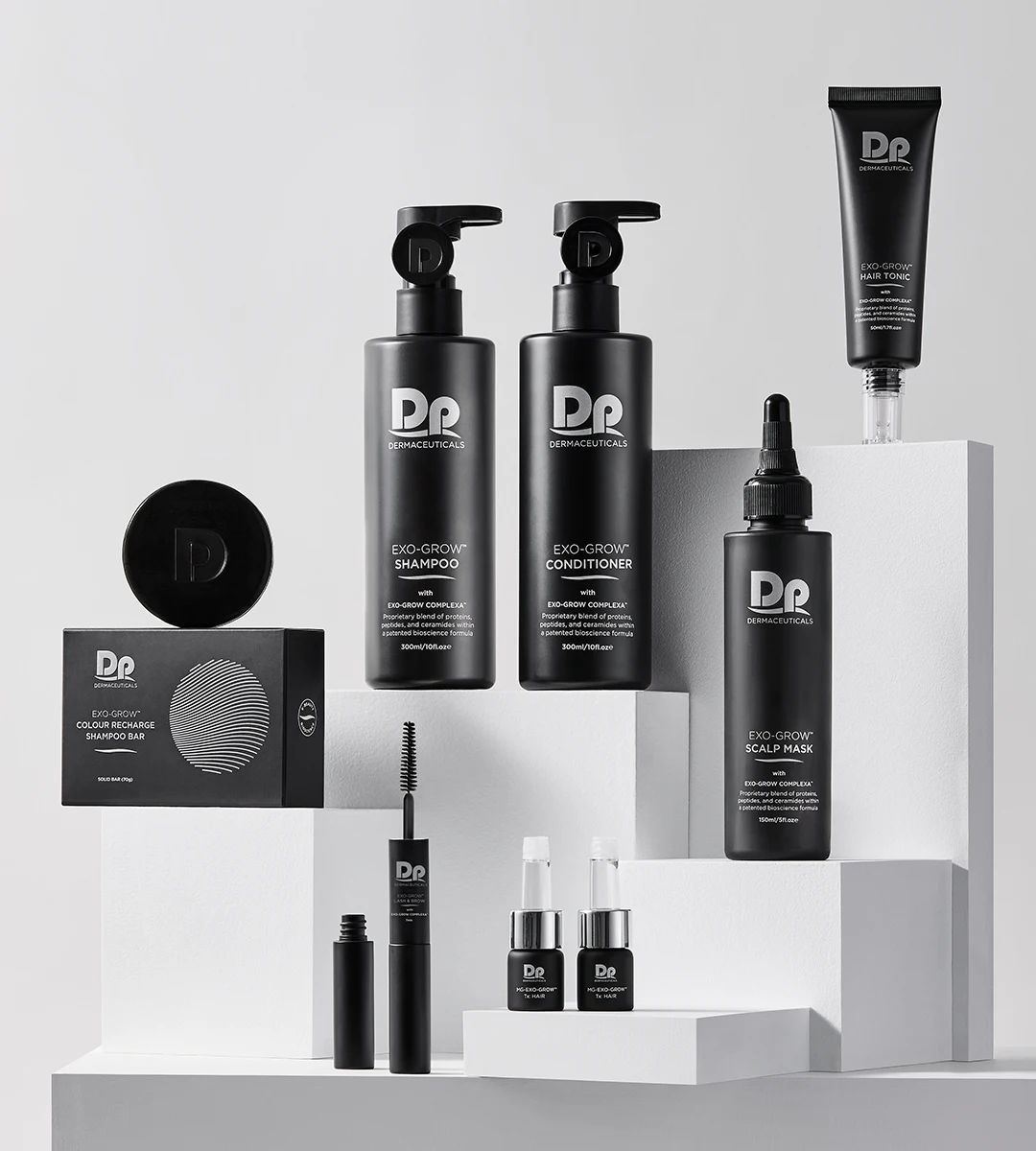
EXO-GROW is the professional scalp-care treatment offered at Derma Aesthetics Clinic. Our protocol combines scalp microneedling with professional EXO-GROW products, with homecare discussed where appropriate.
Research into exosome-based approaches is developing, and studies use different products and treatment methods. A small published pilot trial studied a different formulation; its findings do not establish the effectiveness of EXO-GROW. Results from one product should not be treated as proof that another will perform in the same way.
EXO-GROW is not a guaranteed cure for hair loss and should not replace medical assessment or prescribed treatment. At consultation, ask what evidence supports the proposed protocol, what improvement is realistically expected and how progress will be reviewed.
Scalp microneedling can cause temporary redness, tenderness or sensitivity. Less common risks can include infection or pigment changes; see this general microneedling safety information. Treatment may need to be postponed if there is active infection, damaged skin or significant scalp inflammation. Your history, scalp condition, treatment risks and aftercare should be discussed before proceeding.
Questions to Ask Before Booking a Scalp Treatment
- Has the cause of my hair loss been appropriately assessed?
- Do I need GP or dermatology advice before cosmetic treatment?
- Which product and technique will be used, and why?
- What evidence is available for this specific treatment?
- What are the likely risks, aftercare requirements and total course cost?
- How will progress be assessed, and when will the plan be reviewed?
Consistent photographs can help you and your practitioner compare gradual changes. Ask for a clear review plan rather than assuming more appointments will always be helpful.
Frequently Asked Questions
Can Shampoo Alone Treat Hair Loss?
Suitable shampoo can help with cleansing and hair condition, but it should not be relied on to treat every cause of thinning or shedding. Persistent or unexplained changes need assessment.
Does Increased Shedding Always Mean Permanent Hair Loss?
No. Some forms of shedding, including telogen effluvium, can improve as the hair cycle recovers. The cause and pattern need to be understood before making assumptions about the outlook.
How Quickly Should I Expect a Change?
Hair changes take time to assess. The appropriate review period depends on the cause and the treatment being used. A fixed regrowth deadline or guaranteed density improvement would not be realistic for every person.
Should I Stop My Current Hair-Loss Treatment Before EXO-GROW?
Do not stop or change prescribed treatment without speaking to your prescriber. Tell your practitioner about medicines, supplements and scalp products before any cosmetic procedure.
Discuss Scalp Care in Brentwood
If your concern has been medically assessed where needed and you would like to discuss cosmetic scalp care, contact Derma Aesthetics Clinic in Brentwood, Essex. We can explain our EXO-GROW treatment, review your goals and discuss whether an appointment is appropriate.
Browse our full treatment range or current treatment prices. Call 01277 213 980 or use the enquiry form below.
Our Awards